







Surrender is a word most people associate with addiction recovery. But look at your own life honestly, and you will find that you have already experienced multiple forms of surrender — whether or not addiction was ever part of your story. The heartbreak of a relationship that ended before you were ready. The loss of a job you needed. The death of someone you loved. The dream that did not materialize the way you had planned. Every one of these is a form of surrender. And what you do with it determines the arc of your life.
What All Surrenders Have in Common
The thing about surrenders is that they all have one thing in common: they are relative to each individual. Throughout life we all experience a surrender to one thing or another. And they always leave monumental emotional imprints behind. That is how we know we have had a surrender — because we have been imprinted for life.
We have all had to surrender to a relationship with someone who did not care for us as much as we cared for them. We call this our first heartbreak. Then we discover in life that more than just romantic relationships break our hearts — there is the heartbreak of losing a job we really wanted to keep, the heartbreak of losing a family member. These moments change our lives forever and can create violent emotional twists that discolor our personalities and alter our lives if we do not know how to work with them.
There is no way to bypass pain or grief because of broken relationships or heartfelt disappointments. But there are good ways and bad ways to handle these life-changing moments.
The Right Way to Work a Surrender
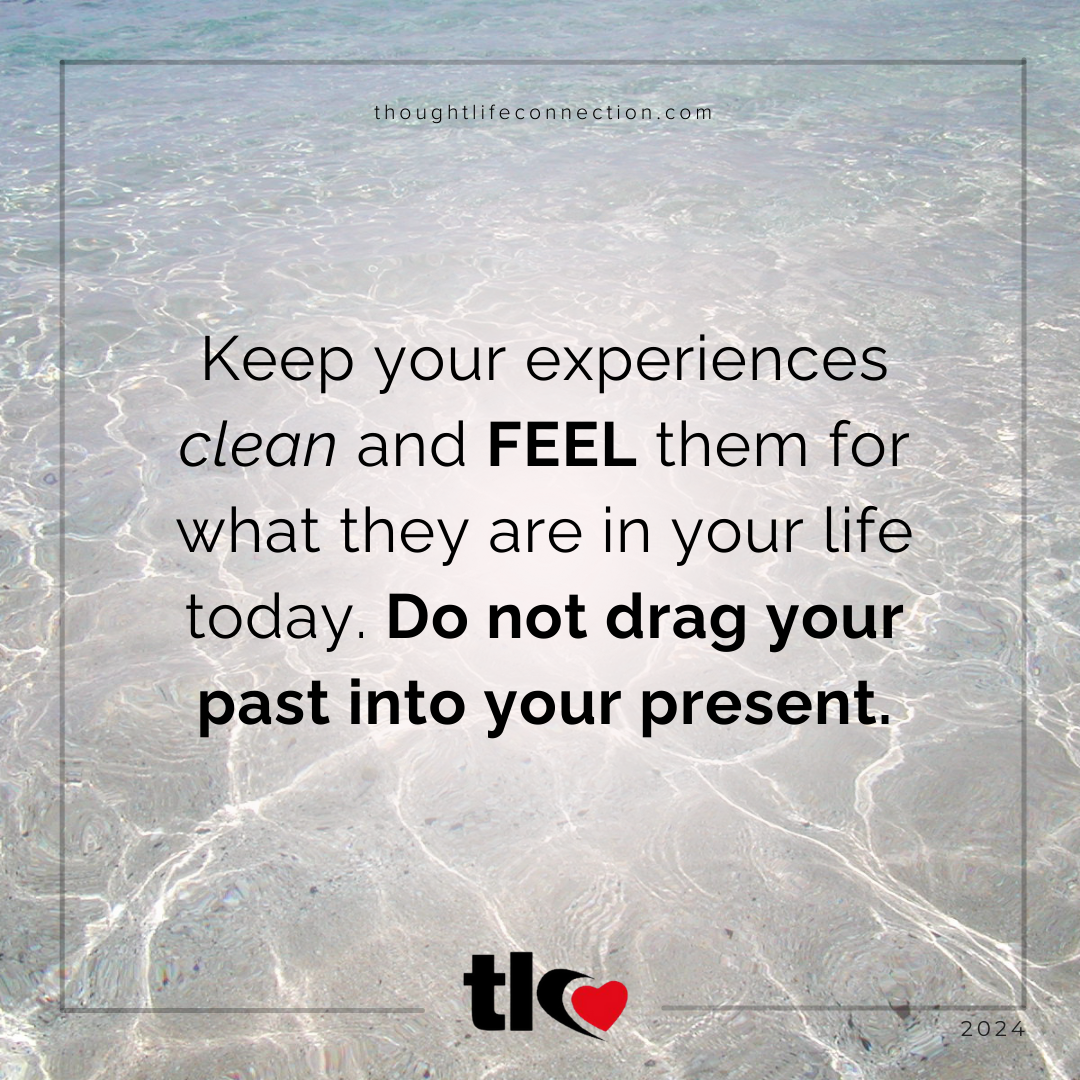
As we grow in life, part of the maturing process is to accept the reality that life and relationships are constantly changing. Life is fluid and never stagnant. We can begin to look for ways to deal with the moments of surrender that arise as part of life. By doing our due diligence to be aware of the life-changing moments as they are unfolding — rather than after the fact — we can say to ourselves during these times: “I am having a soul-changing experience.” By recognizing that we are having a soul-changing experience, we allow ourselves to have a peaceful surrender to what is.
To truly capitalize on the surrender — which is a by-product of the realization that comes from the pain — we do not use this painful energy to beat ourselves up or aggravate our mourning. This energy needs to be steered at the cause through realization of the cause. The only time we can ever change or learn from these painful experiences is to find the cause within us that created it, surrender to that cause, and void it by taking the opposite action.
The specific change that we need to implement will come from the knowledge of what caused the painful experience. This is how we capitalize on a surrender.
The Wrong Way: Running
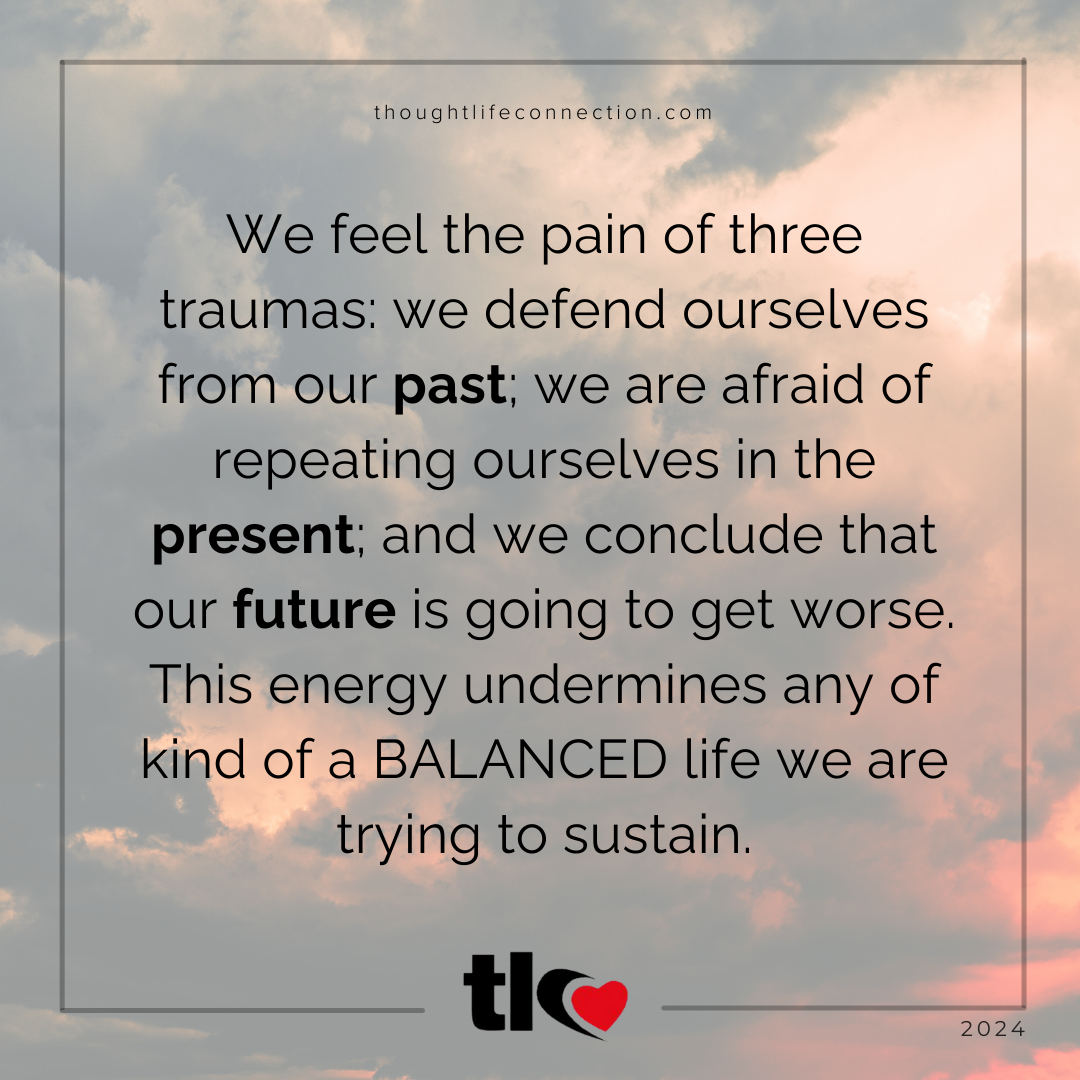
The wrong way, in these life-changing moments, is the path that many of us tend to take — which is to run. To not deal with it. To look the other way. To refuse to recognize the trauma that is unfolding. This is where many people bury their head in the sand until the damage is so severe that there is no choice but to respond to the consequences. This is what is called living in a state of penalty — where the only time change happens is as a by-product of massive consequence.
If you feel that your personal relationships are a constant repeat performance of the same characters over and over, it is because you need to change and you have not surrendered to the change you need to make. If we blame other people for our troubles, we cannot surrender to the truth — which is that we are the creator of all our own troubles. We must surrender to that which is within us that keeps creating the same life we do not want.
Keeping the Surrender Alive
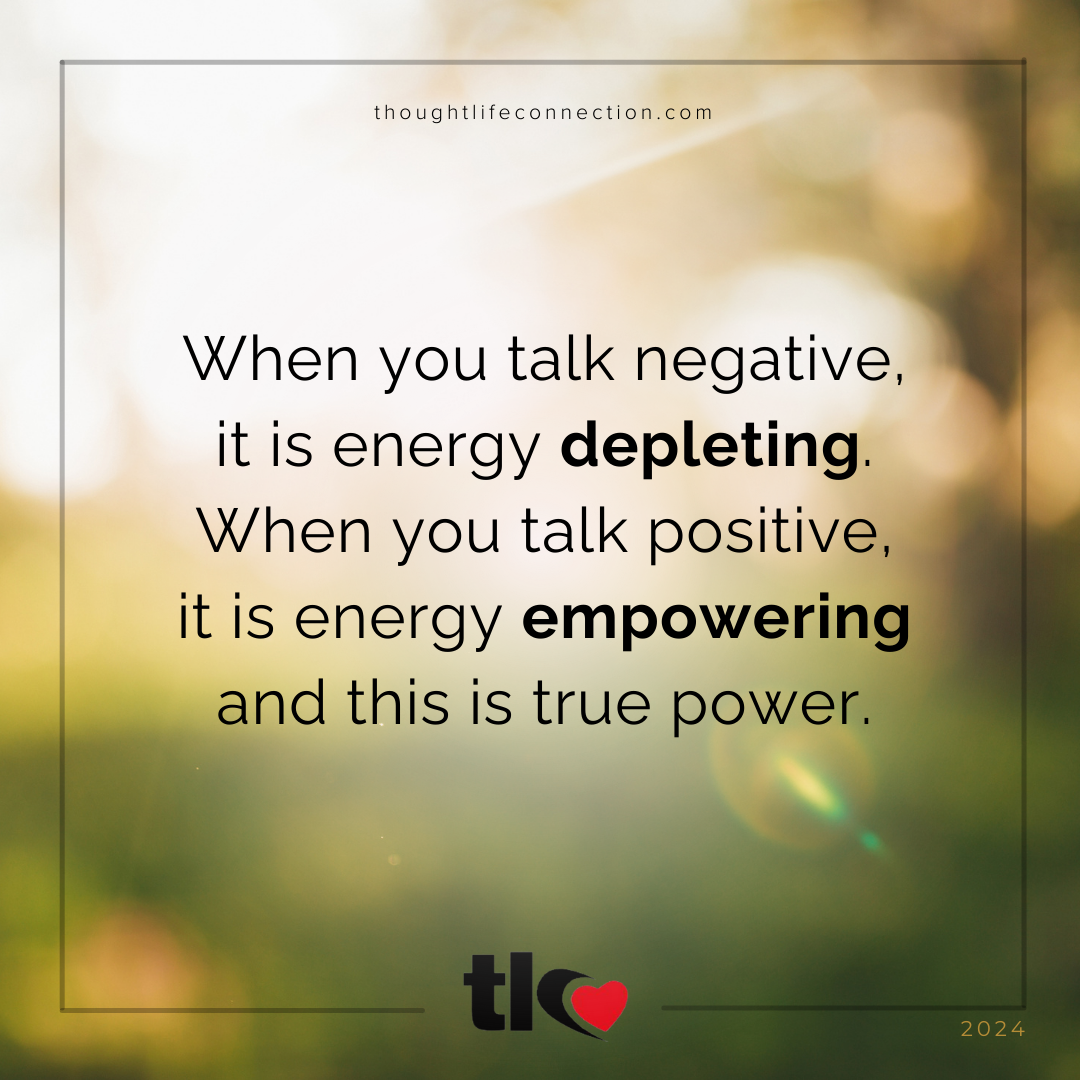
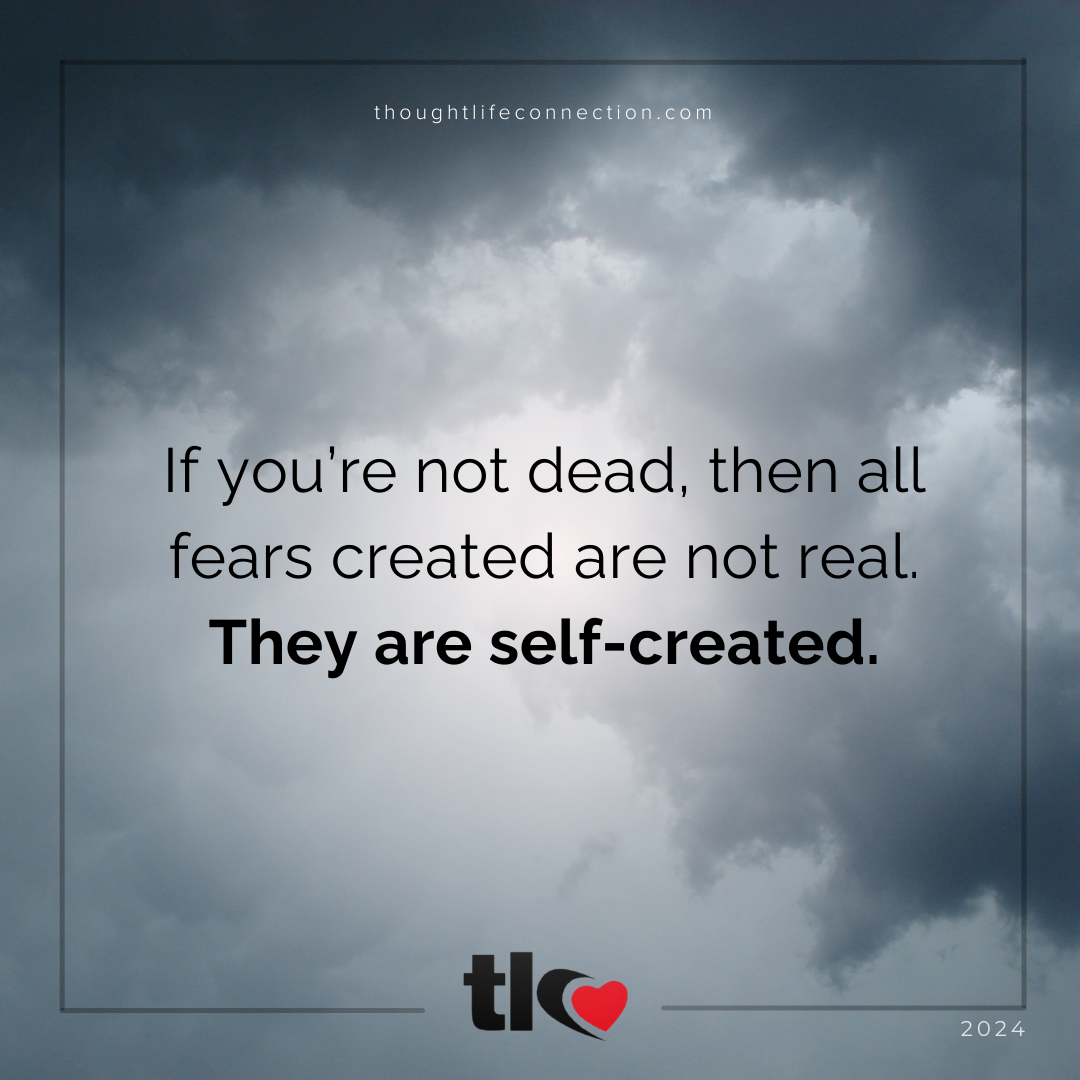
To capitalize on your surrenders, take them forward. Never compromise with your ego. If you do not take the right action, the surrender loses its momentum. It will not be long before the ego returns with a fear. Each fearful thought becomes fuel for the fear. Fear is a power because of the emotions that come with it — and if you keep giving those emotions energy, they grow stronger until they have power over you.
Surrender is the energy that motivates us to embrace the tools necessary to expose that which needs to be changed — to heal the injury and build a new character. Once we know the difference between a healthy life and an unhealthy life, all we need is the power to help us make the right choice. It is in surrendering that we are reborn into the universal power from which we all come.
- Surrender is not just for people in recovery — heartbreak, job loss, grief, and shattered dreams are all forms of surrender that every person experiences
- When a surrender arrives, name it: “I am having a soul-changing experience” — this creates conscious presence rather than unconscious reaction
- Capitalize on the surrender by finding the cause within yourself, not by processing the pain of what happened to you from outside
- Running from the surrender — refusing to acknowledge it — leads to living in a state of penalty, changing only when forced by consequences
- Repeat relationship patterns are a sign that a surrender has not been completed; the same character keeps appearing until the cause within you changes
- Surrender is the energy that powers change — it is reborn into spiritual power when it is worked honestly and carried forward
Ready to Transform Your Thought-Life?
Explore our personal coaching services or browse our audio resources to continue your growth journey.