






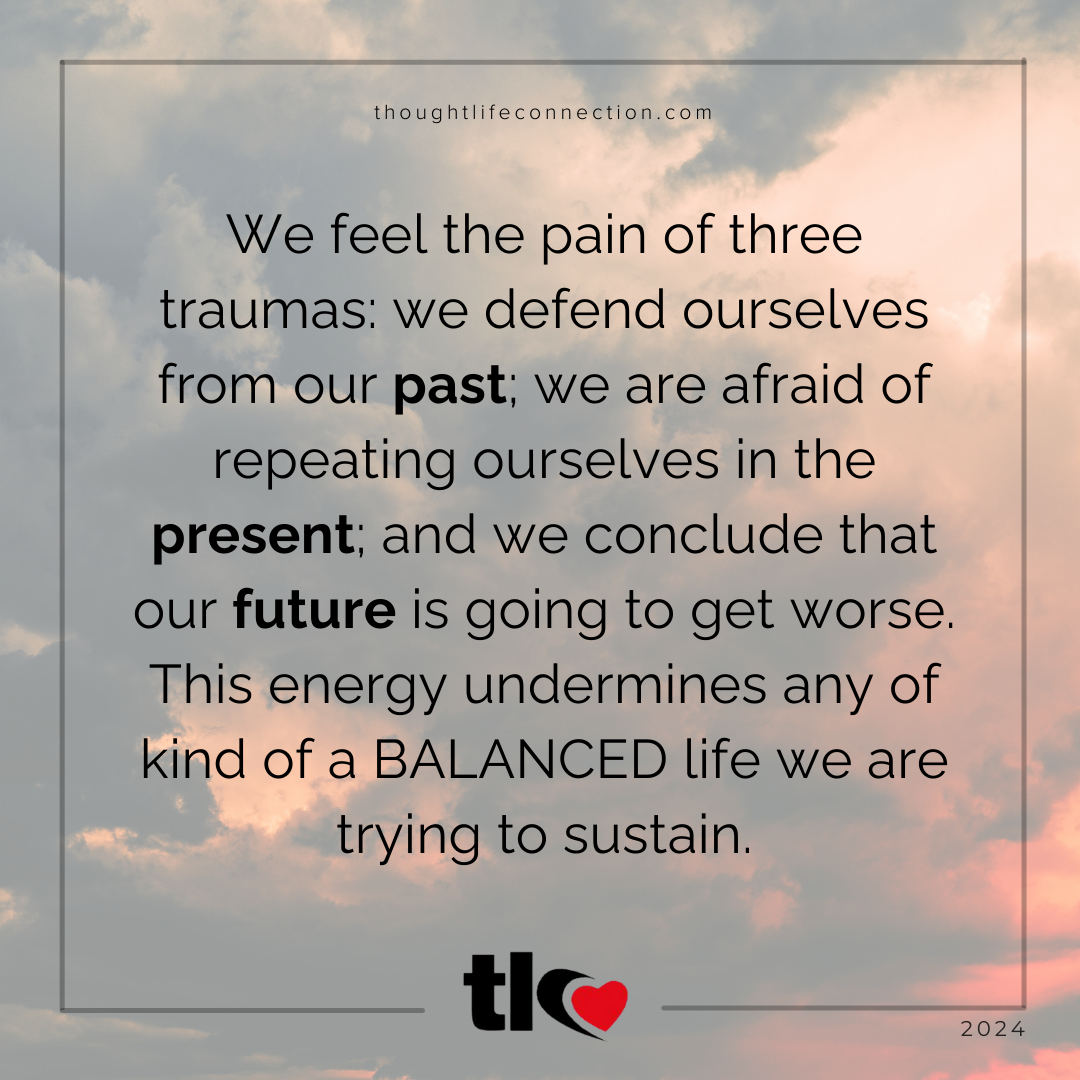
















Most discussions about character defects focus on eliminating them. And that is important. But Step 6 — being entirely ready to have God remove all our defects — begins somewhere more honest than that. It begins with acknowledging the parts of those defects we actually enjoy. Because until we see that clearly, we are not truly ready for anything.
The Defects We Secretly Enjoy
We are looking for the defects of character we enjoy acting in. Not necessarily all of them — but the ones we have made peace with, the ones we have quietly justified, the ones we return to again and again. Gluttony — taking more than we need. Sloth — the comfortable inertia of not doing the things we know we should. Anger — the rush of power and righteousness that comes with losing your temper.
The key question is not just “do I do this?” but “what have I attached to this defect that makes it feel okay?” What story have I told myself that gives it permission to stay? Because there is always a story. There is always a justification: “I overdid it because of what they did.” “I got angry because they deserved it.” “I’m lazy today because I worked so hard yesterday.” Wherever you find the justification, you have found the enjoyment.
God’s Barometer, Not Ours
Step 6 asks something specific and challenging: we want God’s barometer, not our own. Not our personal, self-serving idea of what is “a reasonable amount of anger” or “a normal level of sloth.” We want to know what God’s ideal is for us — given who we actually are, the character we currently have, the best we genuinely know how to do.
This is not about an impossible standard. It is about asking: God, how should I be in reference to this specific defect? Not someone else’s level — my level. What am I actually ready to perform at? And then letting God give you the insight to aim for the best you know — not more than you are capable of, but never less.
The Practical Application: See the End Result
One of the most powerful tools for becoming ready to have a defect removed is to trace it all the way to its end result. Especially with anger: feel the emotional hangover. The exhaustion afterward. The moodiness that spreads to everyone around you. The way it lingers in a room even after you have stopped. When you truly see the cost — not the momentary rush of it, but the whole price — you become much more motivated to let it go.
Recognize the defect while you are going toward it, or while you are in it. That recognition, that pause before the full acting-out, is the essence of Step 6 in daily practice. And each time you recognize it sooner, you grow.
- True readiness for Step 6 begins with honesty about which defects you actually enjoy — not just acknowledge.
- Wherever you find the justification for a defect, you have found the enjoyment that keeps it in place.
- God’s barometer for your life is not an impossible ideal — it is the best you genuinely know how to do right now.
- Tracing a defect to its full end result — the emotional hangover, the collateral damage — builds real motivation to let go.
- Recognizing the defect while you are moving toward it, not just after, is the daily practice of Step 6.
Ready to Transform Your Thought-Life?
Explore our personal coaching services or browse our audio resources to continue your growth journey.